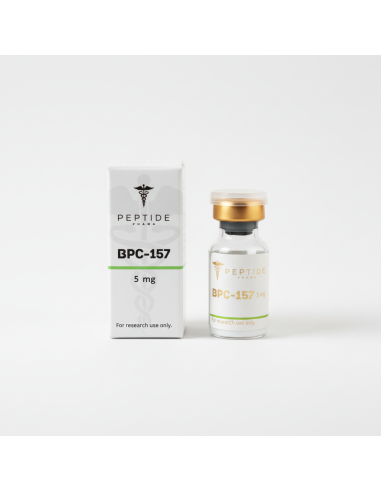
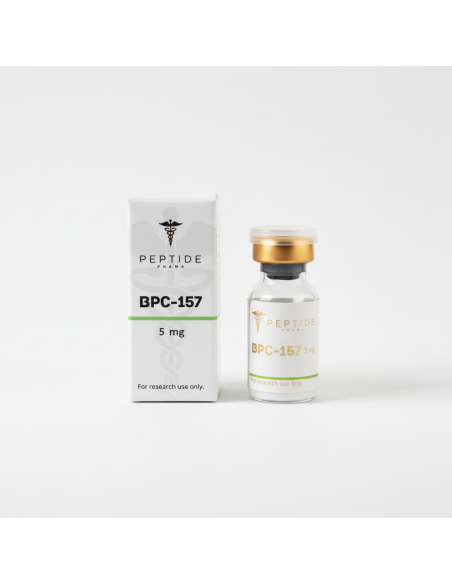
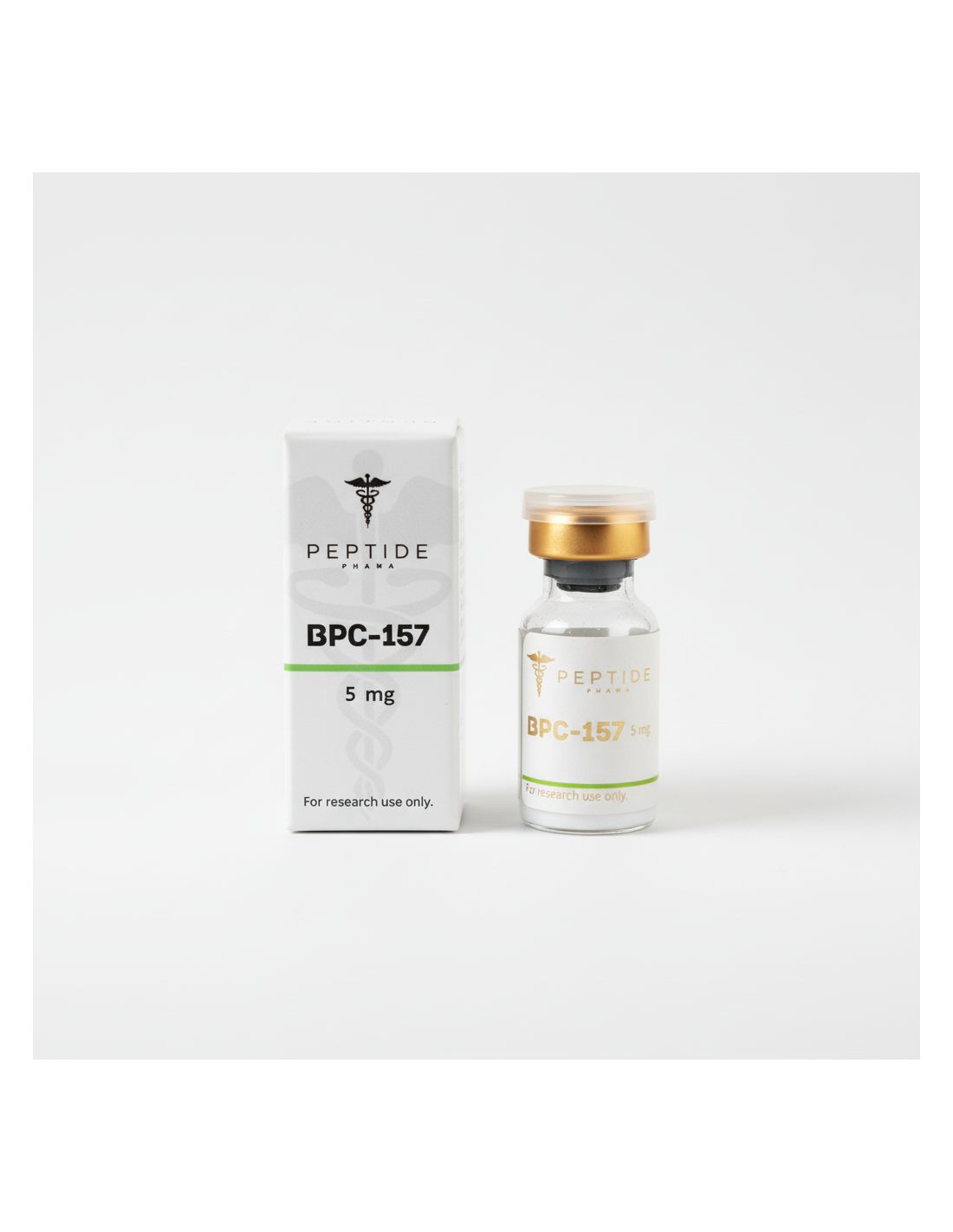
BPC-157 – A Highly Promising Regenerative Peptide
BPC-157 is one of the most promising regenerative peptides, recognized for its potent tissue-repairing properties. It acts on muscles, tendons, the gastrointestinal tract, and the nervous system. Primarily studied for accelerating wound healing and reducing inflammation, it has gained popularity among athletes, physically active individuals, and patients undergoing regenerative therapies. Increasing scientific evidence suggests that BPC-157 supports the body’s repair processes and may possess neuroprotective properties. But how exactly does BPC-157 work, and what benefits can be expected from its use?
Below is a comprehensive overview detailing the peptide’s mechanism of action, potential benefits, administration protocols, and the latest scientific findings.
What is BPC-157? A Peptide with Strong Regenerative Properties
Definition and Chemical Structure
BPC-157 (Body Protective Compound-157) is a short peptide composed of 15 amino acids. It is a fragment of a naturally occurring protein found in human gastric juice. This peptide exhibits strong protective and regenerative effects on various tissues, particularly the mucosal lining of the gastrointestinal tract and soft tissues such as muscles and tendons.
BPC-157 is relatively stable in the body, meaning it resists rapid degradation by proteolytic enzymes. This allows it to maintain therapeutic activity longer than many other peptides that are quickly broken down in vivo.
Differences from Other Regenerative Peptides
Several regenerative peptides exist on the market, including TB-500 (thymosin beta-4), GHK-Cu, and IGF-1. BPC-157 stands out due to:
Targeted action: It promotes rapid regeneration across multiple tissue types, including muscles, tendons, mucous membranes, and potentially the nervous system.
Safety profile: Existing studies suggest it is relatively safe, with side effects being rare and usually mild.
Stability in the body: Its resistance to enzymatic breakdown may lead to longer-lasting activity and enhanced regenerative effects.
Brief Research History
BPC-157 was first mentioned in the 1990s during studies on the protective and regenerative properties of gastric juice. Researchers isolated a protein fragment with strong reparative effects, and subsequent animal studies demonstrated accelerated healing of gastric ulcers, skin wounds, and tendons. Since then, numerous publications have explored its mechanism and potential applications, with ongoing preclinical and clinical studies investigating tissue regeneration and neuroprotection.
How BPC-157 Works – Mechanism of Action
Angiogenesis and Blood Vessel Repair
BPC-157 stimulates angiogenesis, the formation of new blood vessels. Improved blood flow delivers oxygen and nutrients to damaged tissues, accelerating repair. Enhanced microcirculation also helps reduce inflammation by removing metabolic waste and inflammatory mediators from the injury site.
Soft Tissue and Gastrointestinal Healing
BPC-157 targets several key cell types:
Muscle cells: Supports the repair of damaged fibers, aiding recovery after injuries or intense training.
Tendon and ligament cells: Promotes collagen synthesis, improving strength and flexibility of connective tissues.
Gastrointestinal lining cells: Accelerates repair of the gut epithelium, helping prevent ulcers and reducing inflammation.
It may also strengthen the intestinal barrier, improving gut integrity and reducing chronic inflammation.
Neuroprotection and Anti-inflammatory Effects
Emerging studies suggest BPC-157 may support the nervous system by:
Protecting neurons from injury, relevant in neurodegenerative conditions or trauma.
Modulating inflammatory pathways, potentially reducing neural inflammation and supporting recovery.
While promising, neuroprotective effects require further clinical research.
Benefits of BPC-157
Accelerated Healing of Wounds, Muscles, Tendons, and Ligaments
BPC-157 supports rapid repair and enhances collagen production, improving tissue strength and elasticity.
Gastrointestinal Regeneration
The peptide aids in healing stomach and intestinal ulcers and may support conditions like inflammatory bowel disease by strengthening the gut barrier.
Inflammation Reduction and Improved Tissue Flexibility
By reducing pro-inflammatory cytokines and promoting vascular repair, BPC-157 helps speed recovery, reduce pain, and improve joint mobility.
Potential Neuroprotective Effects
Early research indicates it may support neuronal repair and reduce inflammation in the nervous system, potentially aiding recovery after brain or spinal injuries.
BPC-157 vs. TB-500
BPC-157 is often compared to TB-500:
BPC-157: Broad tissue regenerative effects, especially for the gut, tendons, ligaments, and muscles; enhances blood flow and collagen synthesis.
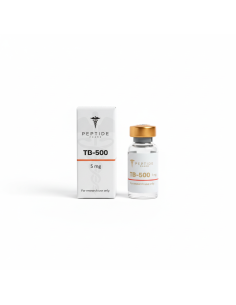
TB-500: Promotes cell migration at injury sites and supports angiogenesis and muscle tissue regeneration.
Combination Therapy
Some protocols use BPC-157 and TB-500 together for multi-directional tissue repair, potentially enhancing overall healing. Such combinations should always be supervised by a medical professional.
How to Use BPC-157 – Dosing and Protocols
Typical regenerative doses: 200–500 mcg per day for mild injuries; 500–1000 mcg for more serious tissue damage.
Administration: Usually via subcutaneous or intramuscular injection. Oral forms exist for gastrointestinal issues but have lower bioavailability.
Frequency: Often 1–2 injections per day or divided oral doses to maintain consistent levels.
Combining with Other Therapies
BPC-157 can be combined with TB-500, PRP (platelet-rich plasma), or physiotherapy for synergistic effects, under medical supervision.
Safety and Side Effects
BPC-157 is generally considered safe, but some mild side effects have been reported:
Dizziness or headache
Injection site reactions (redness, swelling, itching)
Gastrointestinal discomfort (oral use)
No significant hormonal or blood pressure effects have been observed in healthy subjects, though individual responses vary. Start with lower doses and consult a healthcare professional if combining with other treatments.
Recent Research
Animal studies consistently show:
Faster skin wound healing
Gastrointestinal protection against irritants
Accelerated tendon and muscle repair
Early human studies suggest benefits in injury recovery, gut inflammation, and connective tissue health, though larger clinical trials are needed.
Potential Applications in Medicine
Sports medicine and orthopedics: Muscle, tendon, and ligament injury repair
Gastroenterology: Ulcer and gut inflammation treatment
Regenerative medicine: Neuroprotection, chronic wound healing, pressure sore management
FAQ Highlights
Origin: BPC-157 is a 15-amino-acid fragment from human gastric juice protein.
Main benefits: Accelerates tissue healing, supports gut lining, reduces inflammation, and may be neuroprotective.
Side effects: Rare and mild; includes dizziness, injection site reactions, or digestive discomfort.
Administration: Injections preferred for musculoskeletal injuries; oral forms may help gut health.
Combination with other peptides: Can be combined with TB-500 for synergistic repair, under supervision.
Time to effect: Mild injuries may improve in days; serious injuries or gut inflammation may require weeks to months of therapy.
Legal status: Varies by country; often classified as experimental.
Summary
BPC-157 is a 15-amino-acid peptide derived from human gastric juice with strong regenerative potential. Key points include:
Accelerates healing of soft tissues and gut lining
Stimulates angiogenesis
May provide neuroprotective effects
Generally safe, though further studies are needed for long-term evaluation
Ideal use cases: Sports injuries, chronic inflammation, post-surgery recovery, and gastrointestinal repair.