Shopping Cart
There are no more items in your cart

- New

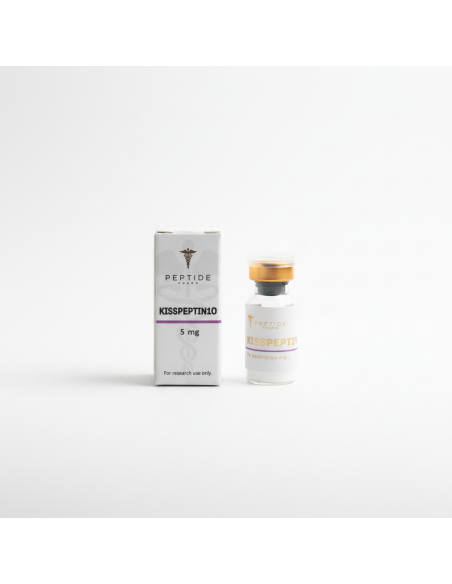
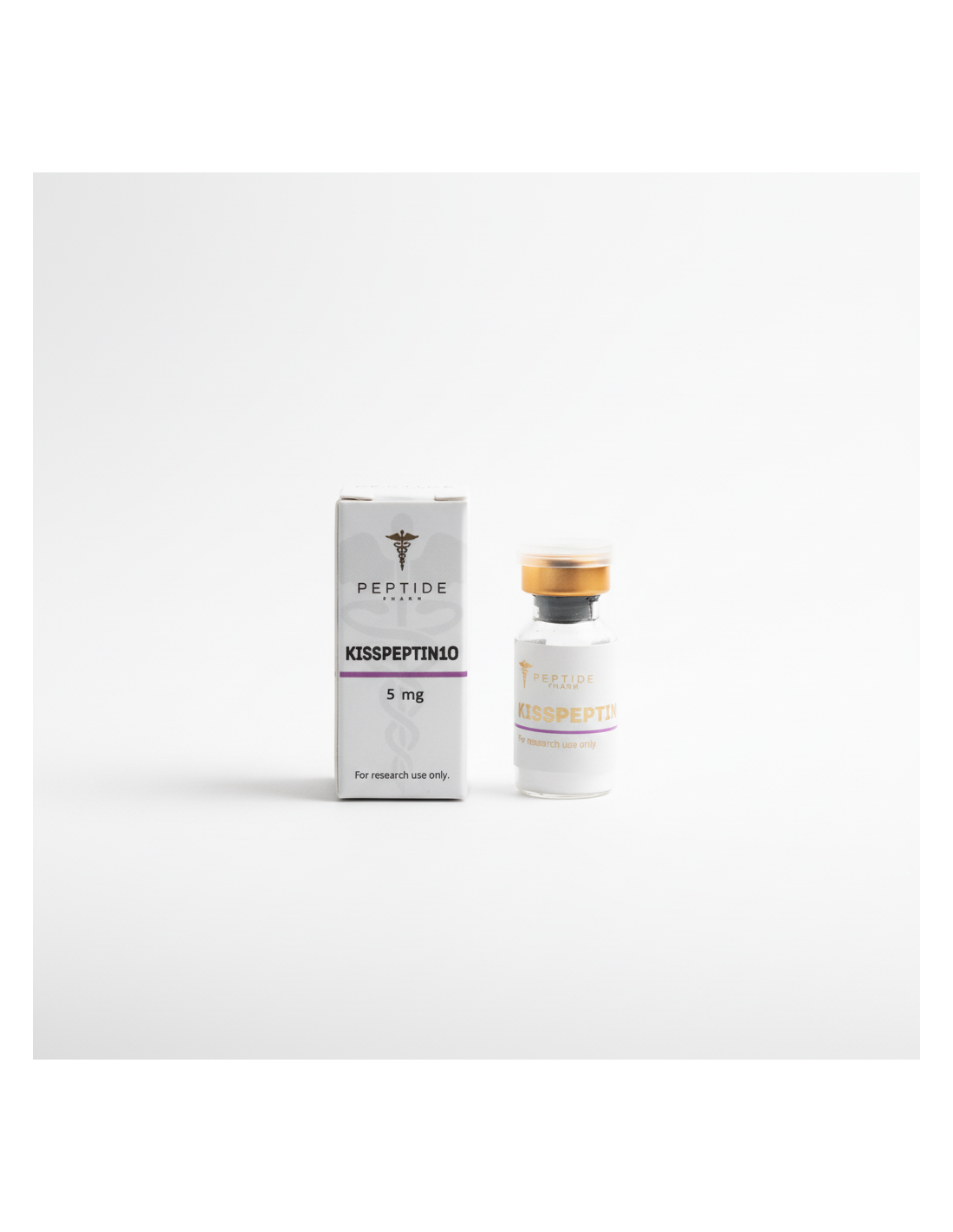
Overview of Kisspeptin-10
Although **Kisspeptin-10** is the smallest peptide in the kisspeptin family, it plays a remarkably powerful biological role. Like other kisspeptins, it originates from the **KISS1 gene**, which was named by researchers who discovered it in Hershey, Pennsylvania—famous for its chocolate production.
Despite its small size, Kisspeptin-10 retains the full biological capability required to activate the **GPR54 receptor**. This receptor is responsible for initiating pulses of **gonadotropin-releasing hormone (GnRH)**, a key signal that regulates the entire reproductive hormonal system.
When Kisspeptin-10 was first identified, scientific attention focused mainly on its possible **anti-cancer properties**. Early studies suggested that it might inhibit the spread of tumors, which led some researchers to call it **“metastin.”** Over time, however, scientific interest shifted toward its crucial role in **reproductive biology**.
Today, a large portion of Kisspeptin-10 research focuses on its potential use in **fertility treatments**. Additionally, early findings indicate that it may help address **reduced libido and sexual arousal problems**, particularly when these issues are connected to psychological or mood-related factors.
This short introduction only scratches the surface of what Kisspeptin-10 does. Ongoing research continues to reveal new insights into its biological significance.
---
A Short History of Kisspeptin-10
The story of Kisspeptin-10 begins in **Hershey, Pennsylvania**, where scientists discovered a gene that appeared to limit the spread of cancer cells. They named it **KISS1**, inspired by the well-known Hershey’s chocolate candies. Naturally, the peptides produced by this gene became known as **kisspeptins**.
Initial studies concentrated heavily on cancer research. A longer peptide form, **Kisspeptin-54**, became widely known as **metastin** because of its ability to suppress tumor metastasis. Later research revealed something even more important: kisspeptins play a vital role in the regulation of the **reproductive system**.
The KISS1 protein is processed into numerous smaller peptide fragments—possibly more than a hundred. These fragments share a common property: they all bind to the **GPR54 receptor**, which activates the release of **GnRH**. GnRH then stimulates the production of **luteinizing hormone (LH)** and **follicle-stimulating hormone (FSH)**. Without these hormones, puberty, fertility, and sexual function cannot occur normally in humans or other mammals.
Researchers also discovered that **inactivating the KISS1 gene leads to hypogonadotropic hypogonadism**, a condition in which puberty fails to occur. Conversely, activating this pathway can trigger pubertal development. This finding demonstrated that kisspeptins are not merely involved in reproduction—they actually **control the entire hormonal cascade that drives it**.
Beyond reproduction, kisspeptins have also been linked to **sexual desire, mood regulation, and metabolic processes**, areas that continue to attract significant scientific attention.
---
Mechanism of Action
The exact biological effects of Kisspeptin-10 depend on the organism in which it acts, but its general mechanism follows a clear sequence:
1. **Production or administration** – Naturally, kisspeptin is produced by neurons in the hypothalamus. In research settings, synthetic Kisspeptin-10 is created in laboratories to replicate the natural molecule.
2. **Receptor binding** – Kisspeptin-10 attaches to **KISS1 receptors (GPR54)** located on GnRH-producing neurons.
3. **GnRH release** – This interaction stimulates the secretion of gonadotropin-releasing hormone.
4. **Pituitary activation** – GnRH travels to the pituitary gland, where it triggers the release of **LH and FSH**.
5. **Hormonal effects** – These hormones circulate through the body, stimulating the production of **testosterone or estrogen** and supporting reproductive function.
In the context of cancer biology, the mechanism differs slightly. Some cancer cells also possess **KISS1 receptors**. When kisspeptin binds to these receptors, it can reduce cellular behaviors associated with tumor spread, including **migration, adhesion, and invasion**, thereby potentially slowing metastasis.
---
Current and Potential Applications
Because Kisspeptin-10 activates the **hypothalamic-pituitary-gonadal (HPG) axis**, its research applications extend across multiple fields.
Identifying the Cause of Hypogonadism
Doctors sometimes need to determine whether low sex hormone levels originate in the brain or the reproductive organs. A **kisspeptin challenge test** can help clarify this. If LH and FSH levels increase after administering kisspeptin, the issue may lie in the hypothalamus; if they do not, the problem may involve the pituitary gland or gonads.
Supporting IVF Treatments
In vitro fertilization requires mature eggs, typically obtained using hormonal stimulation. However, this approach can lead to **ovarian hyperstimulation syndrome (OHSS)**. Researchers are exploring whether Kisspeptin-10 could trigger egg maturation in a more physiological manner, potentially lowering this risk.
Addressing Low Libido and Sexual Dysfunction
Because Kisspeptin-10 stimulates the natural hormonal cascade responsible for sex hormone production, it may influence **sexual desire and function**. Animal studies have demonstrated that it activates brain regions associated with sexual behavior. Although this application remains experimental, it represents one of the most promising areas of investigation.
Potential Anti-Aging Hormonal Effects
Another speculative research direction involves the idea of Kisspeptin-10 as a **hormonal rejuvenation factor**. Natural kisspeptin levels decline with age, which may contribute to menopause, andropause, and increasing rates of sexual dysfunction. Scientists are investigating whether restoring kisspeptin signaling could help re-establish hormonal balance later in life.
Effects on Mood and Metabolism
Sex hormones are closely connected to psychological well-being. Preliminary animal studies suggest that Kisspeptin-10 may influence **anxiety levels, mood, and energy**, showing possible antidepressant-like effects.
Additionally, kisspeptin receptors are present in the **pancreas**, suggesting a role in metabolic regulation. Experimental studies in animals have shown improved **glucose tolerance and insulin levels** following kisspeptin administration.
Suppression of Cancer Metastasis
Returning to its original scientific interest, kisspeptin’s ability to inhibit **tumor metastasis** remains an active research field. Scientists are also developing modified kisspeptin analogs that suppress sex hormones, which may be useful in treating **hormone-dependent cancers**, such as certain breast and prostate cancers.
---
Administration Methods in Research
Delivering peptide molecules presents unique challenges because they are easily degraded by digestive enzymes. For this reason, oral administration is generally ineffective.
Most studies use **subcutaneous or intramuscular injections**, which provide high bioavailability and a hormone release pattern similar to the body’s natural signaling. **Intravenous administration** is sometimes used for diagnostic testing because it produces rapid and predictable blood levels.
Researchers have also experimented with **intranasal delivery**, particularly in long-term animal studies.
---
Dosing in Research Studies
Dosage protocols vary depending on the experimental objective and the species involved. For example:
* Diagnostic challenge tests typically use **a single dose**.
* Fertility research may involve **repeated administrations**.
* Oncology studies often use **higher or longer-term dosing**.
In human trials, doses have ranged roughly from **1 to 4.8 micrograms per kilogram of body weight**, with approximately **100 micrograms per day** being commonly studied. Some protocols begin with 100 mcg daily for several days and then gradually increase the dose to around 250 mcg.
Factors such as **sex, age, hormonal status, and overall health** also influence dosing strategies.
---
Contraindications and Safety Considerations
Research into contraindications is ongoing. Because Kisspeptin-10 stimulates the release of reproductive hormones, individuals who may be negatively affected by increased estrogen or testosterone levels are usually excluded from studies.
Typical exclusion criteria include:
* Pregnancy or breastfeeding
* Hormone-sensitive cancers
* Thyroid or adrenal disorders
* Polycystic ovary syndrome (PCOS)
* Precocious puberty
* Significant cardiovascular or liver disease
Careful subject selection is essential to ensure reliable and safe study outcomes.
---
Multi-Peptide Research Approaches
Some research designs investigate **combinations of peptides** to explore potential synergistic effects.
Examples include:
* **Kisspeptin-10 with PT-141**, which may combine hormonal and central nervous system mechanisms to influence sexual function.
* **Kisspeptin-10 with Ipamorelin**, targeting both the reproductive axis and the growth hormone pathway to study metabolic and body composition effects.
While such combinations can offer valuable insights, they also complicate study design because researchers must carefully control multiple variables, including timing and dosing.