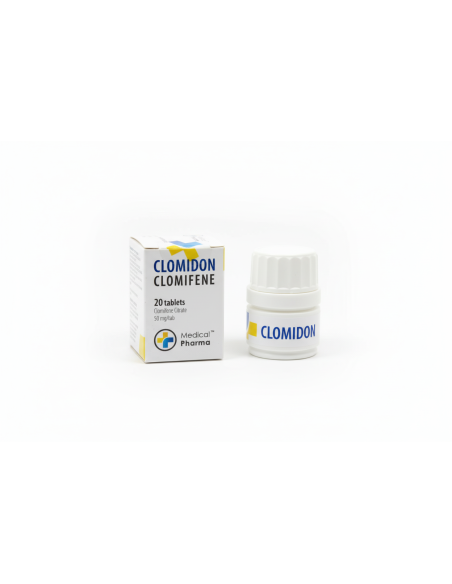
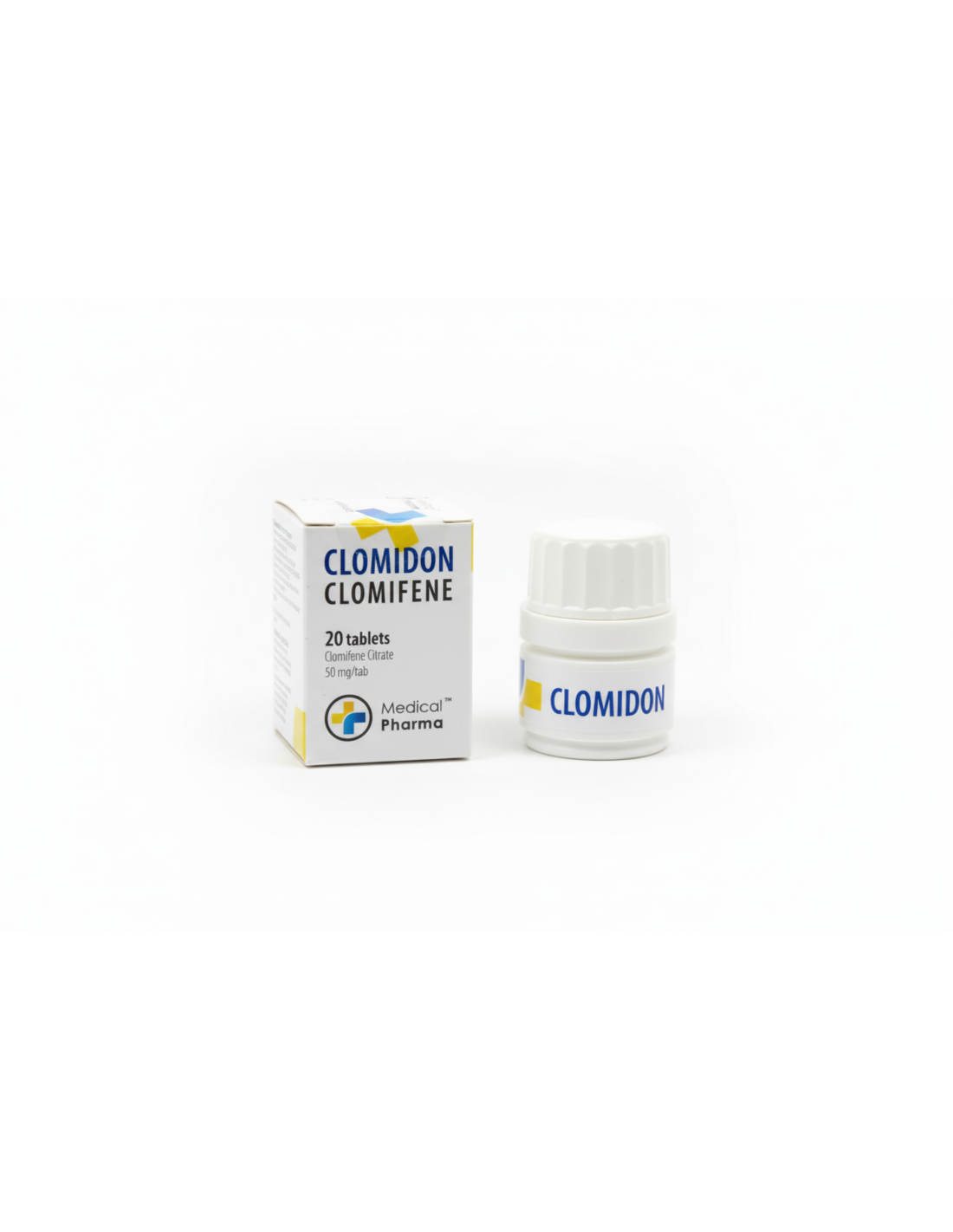
Clomid (Clomiphene Citrate) 50 mg - 20 TABS
Clomid (clomiphene citrate) is widely regarded as one of the most effective medications for post cycle therapy (PCT) after anabolic steroid use. As a selective estrogen receptor modulator (SERM), it plays a key role in helping the body restore its natural testosterone production after it has been suppressed by external hormones. Clomid has been used in medical practice for many years and continues to be a fundamental component of reliable PCT strategies.
How Clomid Works
Clomid acts as a selective estrogen receptor modulator and supports hormonal recovery through several mechanisms:
Hypothalamus activation – It blocks estrogen receptors in the hypothalamus, making the body interpret estrogen levels as low.
GnRH stimulation – This signals the release of gonadotropin-releasing hormone (GnRH).
LH and FSH increase – The pituitary gland responds by producing more luteinizing hormone (LH) and follicle-stimulating hormone (FSH).
Testosterone restoration – LH stimulates the testes to restart natural testosterone production.
Support for fertility – FSH contributes to sperm production and overall testicular function.
When to Start Using Clomid
Post Cycle Therapy (Main Purpose)
Clomid is typically used after completing a testosterone or anabolic steroid cycle.
The timing depends on the type of compounds used:
Long-acting esters – Begin PCT approximately 2–3 weeks after the final injection (e.g., testosterone enanthate, testosterone cypionate, nandrolone decanoate).
Short-acting esters – Start around 2–3 days after the last injection (e.g., testosterone propionate, trenbolone acetate).
Oral steroids – Begin 12–24 hours after the final dose (such as dianabol, anavar, or winstrol).
Recommended PCT Dosage
Standard Protocol
Week 1: 100 mg daily (two tablets) to strongly stimulate recovery
Week 2: 100 mg daily (two tablets)
Week 3: 50 mg daily (one tablet) as a maintenance dose
Week 4: 50 mg daily (one tablet)
Extended Protocol (for more intensive cycles)
Weeks 1–2: 100 mg daily
Weeks 3–4: 75 mg daily
Weeks 5–6: 50 mg daily
Protocol for Mild Cycles
Weeks 1–2: 50 mg daily
Weeks 3–4: 25 mg daily
Advantages of Using Clomid for PCT
Helps quickly restore natural testosterone production
Assists in maintaining muscle mass and strength after a cycle
Improves libido and sexual performance
Stabilizes mood and energy levels
Reduces the likelihood of a post-cycle hormonal crash
Supported by extensive research and clinical use
Taken orally, eliminating the need for injections
Can be stacked with Nolvadex for stronger recovery support
Clomid vs. Nolvadex
Both medications belong to the SERM class and are commonly used during PCT, though they have slightly different characteristics:
Clomid: Often considered stronger for increasing LH and FSH, which may accelerate testosterone recovery but can lead to more side effects for some users.
Nolvadex: Frequently better tolerated, with strong anti-estrogen properties and potentially fewer mood-related effects.
Combined use: Some individuals use both together (for example, 50 mg Clomid with 20 mg Nolvadex daily) to enhance recovery.
Possible Side Effects
Although most people tolerate Clomid well, some side effects may occur:
Visual issues such as blurred vision or increased sensitivity to light (rare and dose-related)
Mood fluctuations or emotional sensitivity
Temporary hot flashes
Mild headaches
Nausea, which can often be reduced by taking the medication with food
Short-term changes in libido that usually improve as testosterone levels recover
Important Notes
Clomid should not be used during an active steroid cycle; it should only be started once the compounds have cleared the body.
Some users incorporate HCG during the cycle or shortly before PCT to support recovery.
Blood tests are recommended to monitor hormones such as testosterone, LH, FSH, and estradiol.
Proper diet, training, and adequate sleep are essential during the recovery period.
If visual side effects appear, lowering the dosage or stopping the medication is recommended.
Longer or more suppressive cycles generally require a longer PCT period.