Copper Peptides (GHK-Cu) – Mechanisms, Properties, and Research Perspectives
In recent decades, compounds known as copper peptides have gained growing attention in the fields of cosmetology and regenerative medicine. These molecules are short chains of amino acids capable of binding copper ions (Cu²⁺). They occur naturally in the human body and can be found in biological fluids such as blood plasma, saliva, and urine.
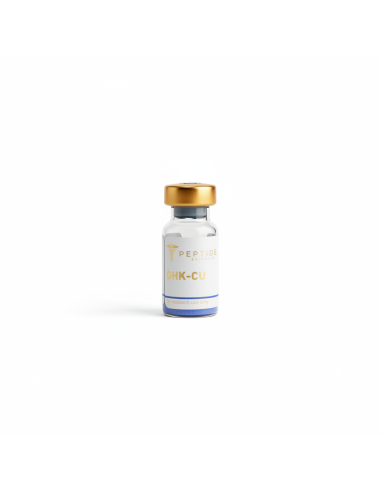
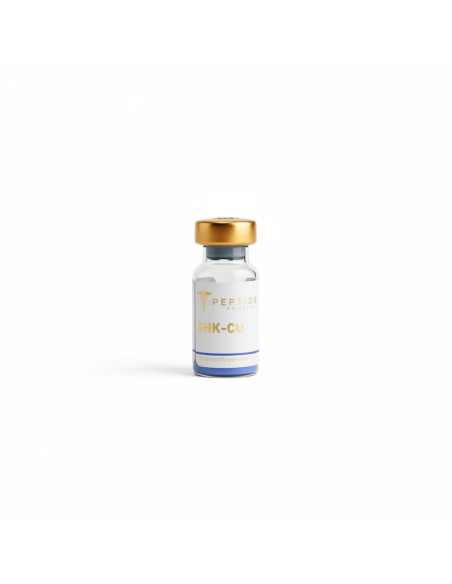
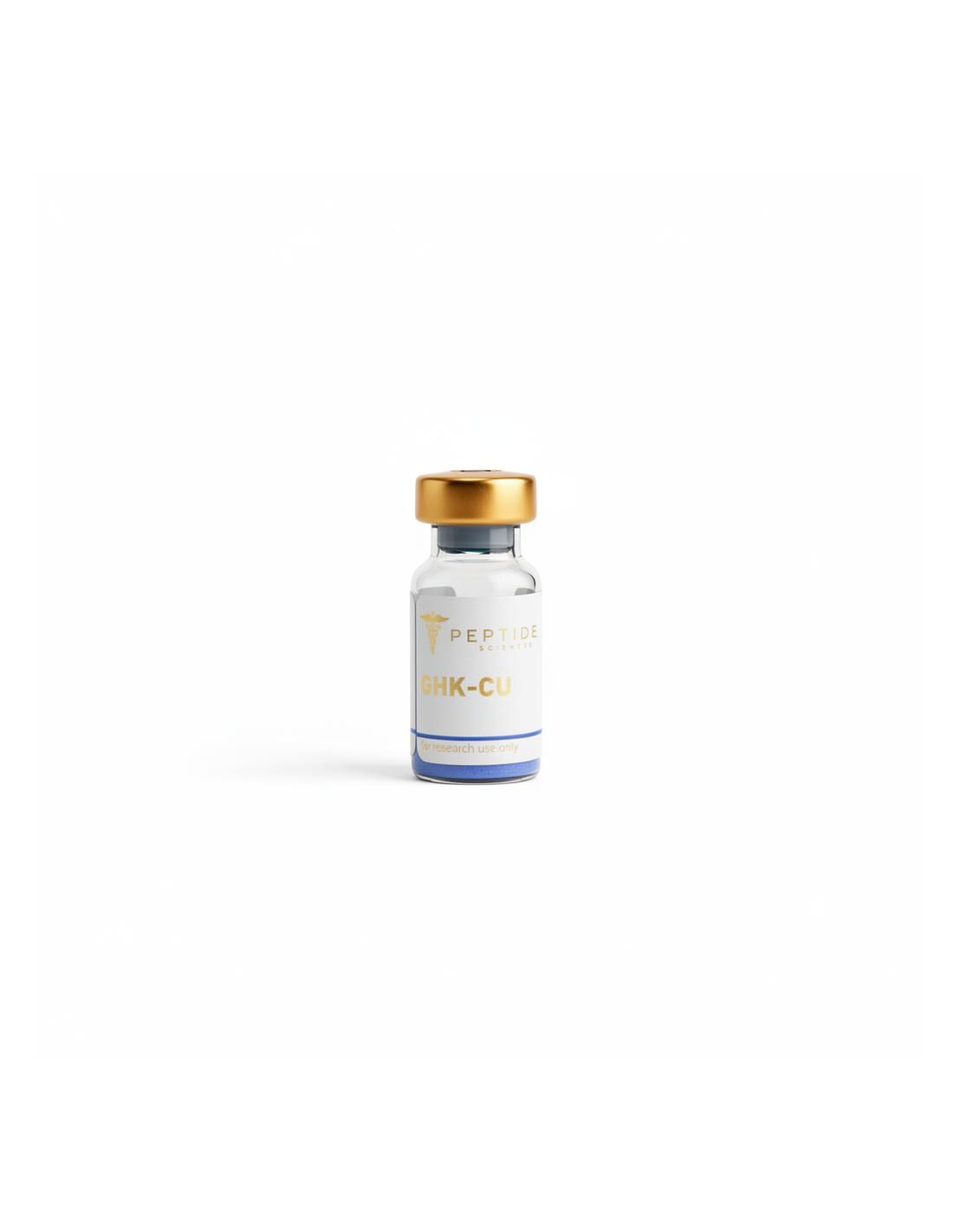
One of the most extensively studied copper peptides is GHK-Cu, also known as Copper Tripeptide-1. First described in scientific literature in the 1970s, it has attracted interest due to observations that its concentration in the body changes with age. This discovery encouraged researchers to explore its potential role in tissue regeneration, skin health, and the biological mechanisms associated with aging.
Today, copper peptides are being investigated not only in skin care research but also in areas such as gene regulation and regenerative biology. As a result, they have become a frequently discussed topic in studies focused on anti-aging peptides.
What Are Copper Peptides?
Copper peptides are small peptide sequences that have the ability to bind copper ions (Cu²⁺). They occur naturally in the body and are involved in biological signaling and copper transport.
The best-known example is GHK-Cu, which was first identified in the 1970s. Scientific interest in this compound arose partly from findings that its levels in the human body decline with age. This observation led researchers to investigate its possible involvement in skin repair processes, tissue regeneration, and mechanisms related to aging biology.
Why Is GHK-Cu Important in Anti-Aging Research?
The discovery of GHK-Cu is attributed to Loren Pickart, who isolated the peptide from human plasma in 1973. Since then, numerous scientific publications have examined its potential influence on various biological processes.
Studies have explored its possible role in wound healing, inflammatory responses, and mechanisms associated with proteins such as collagen and elastin. Some research also suggests that GHK-Cu may affect gene expression and cellular signaling pathways.
Due to these properties, copper peptides have become increasingly popular in cosmetology and regenerative medicine research. Nevertheless, many of the reported effects still require further clinical investigation before their practical effectiveness can be fully confirmed.
How Copper Peptides Are Studied in Skin Biology
In scientific literature, copper peptides are analyzed in relation to several biological processes connected to skin structure and function. Laboratory studies and experimental models have focused on the following areas.
Collagen and Elastin Production
Cell culture studies have reported increased fibroblast activity in the presence of copper peptides. Fibroblasts are responsible for producing structural proteins such as collagen and elastin, which play a key role in maintaining skin elasticity and firmness.
Tissue Repair and Regeneration
In vitro experiments and animal studies have linked GHK-Cu with antioxidant enzyme activity and mechanisms involved in tissue repair. Because of these observations, the peptide frequently appears in research related to wound healing and regenerative processes.
Antioxidant Activity and Oxidative Stress
Copper peptides have also been examined for their potential to neutralize free radicals. Some studies suggest that they may help protect skin cells from oxidative stress and environmental factors such as UV radiation.
Skin Tone and Hyperpigmentation
Certain studies propose that GHK-Cu could influence cellular proliferation processes, which may be relevant in research exploring pigmentation disorders and skin tone uniformity. However, this area remains under investigation and requires further clinical validation.
Gene Expression Modulation
Research using large genomic databases such as Connectivity Map has suggested that GHK-Cu may influence the expression of thousands of gene transcripts. Some scientists propose that this activity could help reverse unfavorable gene expression patterns associated with certain diseases and aging processes.
These findings suggest that copper peptides might affect inflammation and cellular repair mechanisms at a genetic level, which is why they are sometimes discussed in the context of aging biology rather than solely as cosmetic ingredients.
Copper Transport and Regulation
One of the most important properties of GHK is its ability to strongly chelate copper ions (Cu²⁺). By binding copper, the peptide may help deliver the metal to cells in a controlled manner.
Researchers also note that the GHK-Cu complex may reduce the potentially harmful redox activity of free copper ions. This mechanism could help minimize oxidative toxicity while still enabling copper to participate in essential biological reactions.
Angiogenesis and Growth Factors
Some laboratory and animal studies have examined GHK-Cu in relation to angiogenesis, the process through which new blood vessels form.
In experimental settings, the peptide has been associated with the stimulation of growth factors such as VEGF and bFGF, which play roles in tissue repair and vascular development. Although these findings are promising, scientists emphasize the need for further investigation to determine their clinical significance.
Stem Cells and Biomaterials
GHK-Cu has also been studied in laboratory experiments involving mesenchymal stem cells (MSC). Some research suggests that it may influence their proliferation, migration, and secretion of growth factors.
Because of this potential activity, the peptide occasionally appears in studies on tissue engineering and biomaterial design. However, these findings remain experimental and have not yet translated into widely accepted clinical applications.
Potential Research Beyond Skin Care
Recent studies have explored possible roles of GHK-Cu beyond dermatology. For example, some animal model experiments have investigated its influence on intestinal barrier integrity and inflammatory conditions in the digestive system.
Although these results may indicate new directions for research, they remain preliminary and have not yet been confirmed in human clinical studies.
Overall, most observations related to copper peptides come from experimental or preclinical research and should not be interpreted as definitive medical recommendations.
Copper Peptides in Cosmetic Formulations
In both scientific literature and cosmetic practice, copper peptides are often discussed in combination with other skin-care ingredients.
Common Ingredient Combinations
In cosmetic formulations, copper peptides may be paired with ingredients such as:
hyaluronic acid, known for its strong moisturizing properties
niacinamide and ceramides, which support the skin barrier
additional signal peptides that may theoretically complement their activity.
Ingredients Discussed in Terms of Compatibility
Some popular science sources mention that certain substances—such as strong exfoliating acids (AHA/BHA) or high concentrations of vitamin C—might affect the stability of copper peptides. However, clear clinical guidelines on these interactions are still lacking.
Comparison With Other Anti-Aging Ingredients
Compared with commonly used skin-care ingredients such as:
retinol, which is effective but may cause irritation
vitamin C, an antioxidant with stability challenges
hyaluronic acid, which primarily works at the surface level
copper peptides are considered particularly interesting because preclinical studies suggest they may influence cellular signaling and regenerative processes.
This characteristic distinguishes them from many traditional cosmetic ingredients used in anti-aging formulations.
Findings Reported in Scientific Literature
Various studies have described potential effects of GHK-Cu on collagen production, tissue repair, and overall skin condition. Some publications report measurable changes in skin parameters, although researchers emphasize that these findings require further verification and should not be treated as definitive clinical evidence.
Summary and Future Outlook
Copper peptides, especially GHK-Cu, are receiving increasing attention in cosmetology and regenerative medicine research. Scientists describe them as multifunctional molecules that may influence collagen production, cellular signaling, gene expression, and tissue repair.
While laboratory and preclinical findings appear promising, comprehensive clinical validation is still needed. For this reason, copper peptides remain an active area of scientific research, with their full therapeutic and cosmetic potential yet to be clearly established.