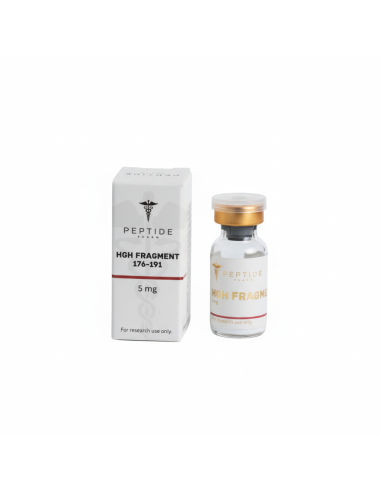
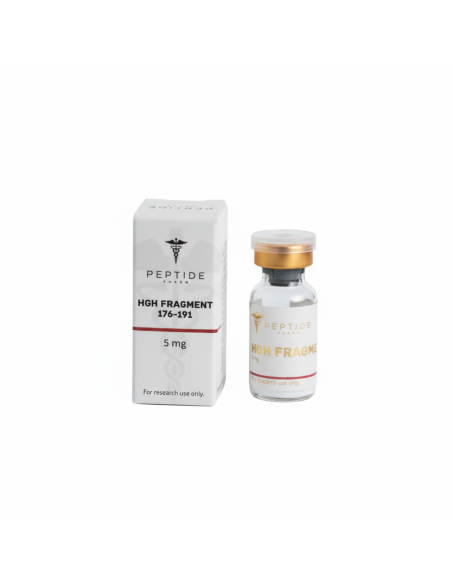
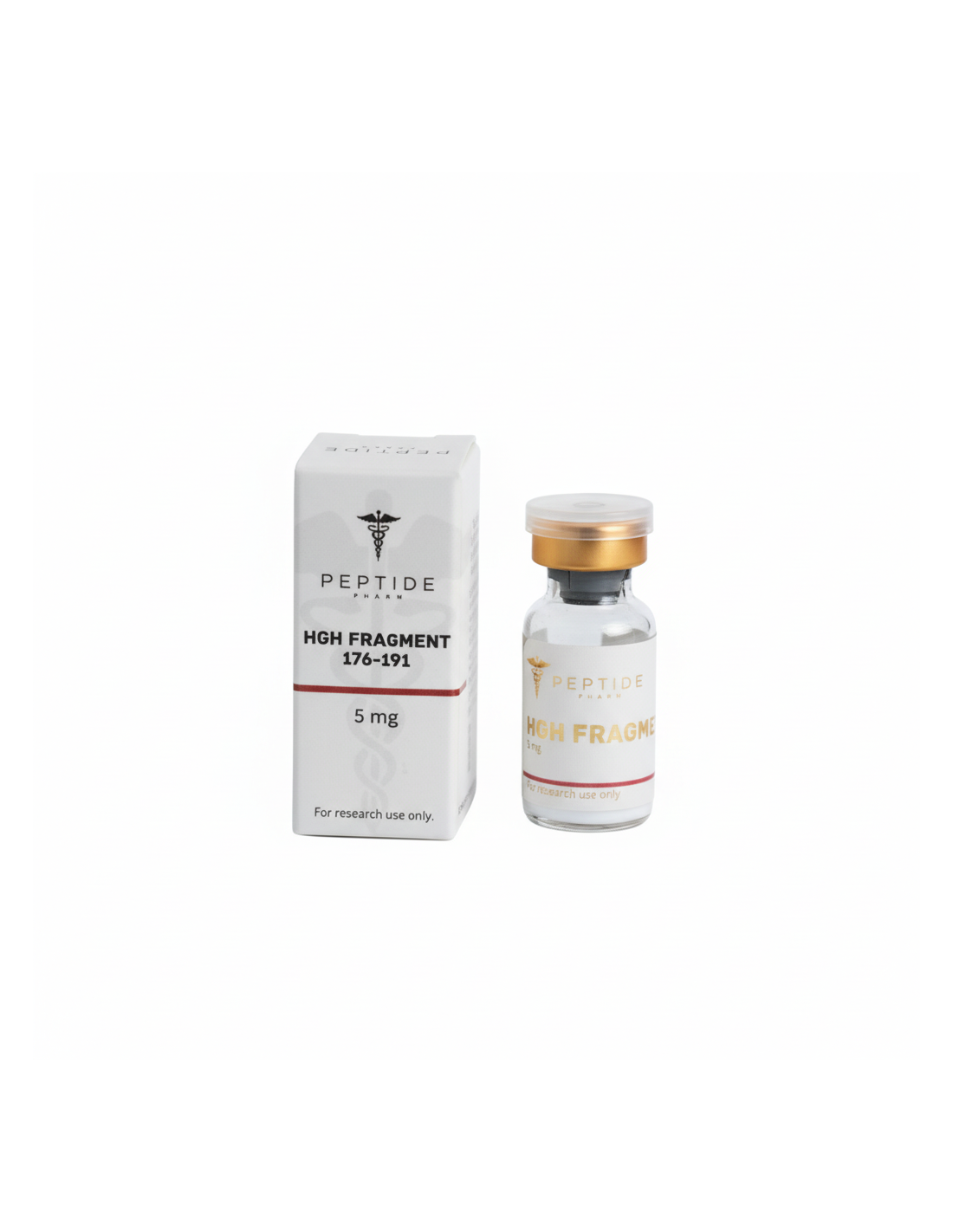
Introduction to HGH Fragment 176–191
Within the peptide world, certain compounds gain recognition through years of reliable use and growing familiarity among experienced users. HGH Fragment 176–191 is one of those peptides. It is widely known for its targeted influence on fat-metabolism processes and is especially appreciated by individuals who understand the distinction between the broad effects of full growth hormone and more precise metabolic signalling.
At PSA, we aim to provide straightforward and informative explanations about the peptides we offer. Our goal is simple: present clear information without exaggeration or unnecessary complexity so that people can better understand the compounds they are researching and make informed choices.
This article begins a short PSA series dedicated to HGH Fragment 176–191—explaining what it is, how it functions, and why it continues to attract attention in discussions about fat-metabolism peptides.
What Is HGH Fragment 176–191?
HGH Fragment 176–191—often shortened to HGH Frag—is a small portion of the complete human growth hormone molecule. Instead of using the full 191-amino-acid hormone, scientists isolated the final 15 amino acids, which are believed to play a key role in fat-metabolism signalling.
In simple terms:
Full Growth Hormone: produces widespread effects across multiple bodily systems.
HGH Fragment: delivers a more focused signal connected primarily to fat metabolism.
Because of this targeted function, the fragment has gained popularity among users who prefer a compound that concentrates on a specific pathway rather than influencing the entire hormonal system.
Like many peptides, HGH Frag is typically administered via injection. For many people with some peptide experience, it is considered relatively straightforward to understand because its purpose and mechanism are clearly defined.
How HGH Fragment 176–191 Works
HGH Fragment 176–191 is primarily associated with signalling related to:
Fat breakdown (lipolysis)
Reducing fat storage processes (lipogenesis)
Improving access to stored energy
A simplified explanation of its activity looks like this:
1. Interaction with fat-cell receptors
The peptide appears to act directly within adipose (fat) tissue, influencing receptors involved in fat mobilisation.
2. Encouraging the use of stored energy
Rather than stimulating the body broadly like full growth hormone, HGH Frag mainly focuses on metabolic signals related to fat utilisation.
3. Distinct from full growth hormone activity
HGH Fragment does not behave the same way as complete growth hormone. It does not significantly influence muscle growth, organ development, bone metabolism, or IGF-1 production. Its actions are much more limited and specific.
This focused mechanism is precisely what makes the fragment appealing to people seeking metabolic signalling linked to growth hormone pathways without triggering the full hormonal cascade.
Why HGH Fragment Became So Popular
HGH Fragment 176–191 gained recognition largely for three reasons:
1. A clearly defined purpose
Unlike many compounds with wide-ranging effects, this peptide is associated mainly with fat-metabolism pathways.
2. Appeal to experienced peptide users
Individuals familiar with peptide protocols often prefer compounds with targeted actions rather than broad hormonal stimulation.
3. Compatibility with structured peptide approaches
Because its mechanism is relatively specific and predictable, HGH Frag can fit more easily into larger peptide strategies without overlapping excessively with other compounds.
HGH Fragment vs. Full Growth Hormone
Understanding the difference between HGH Fragment and full growth hormone is important.
Growth Hormone (GH)
Large, complex hormone
Stimulates IGF-1 production
Influences muscles, bones, organs, and overall metabolism
HGH Fragment 176–191
Small isolated segment of GH
Does not function like full growth hormone
Primarily linked to fat-metabolism signalling
More focused and predictable in its activity
Because of this distinction, HGH Fragment should not be considered a form of growth hormone itself. It is a separate peptide with a narrower biological role.
Why PSA Is Focusing on HGH Fragment Now
PSA has built its reputation on providing clear, accessible education about peptides. Instead of exaggerating benefits or burying readers in technical jargon, we aim to present balanced information that helps people genuinely understand what a compound does.
HGH Fragment 176–191 deserves this kind of explanation. Many discussions online either reduce it to a simplistic label like “fat burner” or dive into overly complicated scientific language.
Our goal is to provide the middle ground: information that is accurate, understandable, and practical.
This article serves as an introduction. Future pieces in the PSA series will explore how HGH Fragment 176–191 fits into modern peptide protocols and why it continues to be widely recognised in the metabolic peptide category.
The Key Takeaway
HGH Fragment 176–191 is a well-established peptide known for its targeted connection to fat-metabolism pathways. It is not the same as full growth hormone and does not replicate GH’s broader systemic effects. Instead, its role is much more focused, concentrating on signalling mechanisms related to fat metabolism.