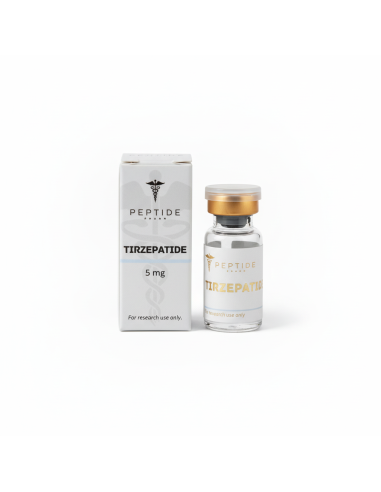
Tirzepatide – Overview, Mechanism of Action, and Clinical Use
Introduction: What Is Tirzepatide?
Tirzepatide is a relatively new medication developed to support the treatment of Type 2 Diabetes. It is a synthetic peptide designed to mimic the activity of two important metabolic hormones: GLP-1 and GIP. These hormones play key roles in regulating blood glucose levels after meals.
The drug has been approved by the U.S. Food and Drug Administration and represents a new therapeutic approach for managing type 2 diabetes by targeting two hormonal pathways involved in glucose control.
---
Medical Uses of Tirzepatide
Tirzepatide is primarily prescribed for adults with type 2 diabetes to help improve blood sugar control. It is typically used alongside lifestyle interventions such as a balanced diet and regular physical activity.
Researchers are also investigating additional benefits of the drug, including:
* potential support for body weight reduction
* possible improvements in cardiovascular health
These ongoing studies suggest that the medication could be useful for patients who experience multiple metabolic conditions.
---
How Tirzepatide Works
Tirzepatide functions by activating receptors associated with GLP-1 and GIP, two hormones naturally released after food intake.
These hormones help regulate metabolism through several mechanisms:
* stimulating insulin secretion from the pancreas when blood glucose levels rise
* reducing glucose production in the liver
* slowing gastric emptying, which helps prolong feelings of fullness
By combining the effects of both hormones in a single treatment, tirzepatide helps improve glycemic control and may also contribute to weight loss in some patients.
---
## Dosage and Administration
Tirzepatide is administered as a **subcutaneous injection**, usually once per week.
A typical dosing schedule for adults begins with:
* **2.5 mg once weekly** as the starting dose
Depending on the patient’s response and tolerance, the dose may be gradually increased to:
* 5 mg
* 7.5 mg
* 10 mg or higher under medical supervision.
Dose adjustments should always follow a healthcare provider’s recommendations. The safety and effectiveness of tirzepatide in children have not yet been established, so the medication is generally prescribed only for adults.
---
Possible Side Effects
Common side effects reported with tirzepatide include:
* nausea
* diarrhea
* vomiting
* constipation
* abdominal discomfort.
Although less frequent, more serious adverse reactions may occur, such as:
* inflammation of the pancreas
* kidney complications
* allergic reactions
* thyroid tumors observed in animal studies.
Patients should promptly inform their healthcare provider if severe or persistent symptoms occur.
---
Drug Interactions
Tirzepatide may interact with other medications, including:
* insulin or additional antidiabetic drugs, which may increase the risk of low blood sugar
* medications that affect gastrointestinal motility
* certain blood pressure medications.
For safety reasons, patients should inform their physician about all medications, supplements, or herbal products they are currently taking.
---
Potential Benefits
Clinical studies have shown that tirzepatide may offer several therapeutic advantages:
* improved blood glucose control compared with some existing treatments
* lower risk of hypoglycemia in certain treatment combinations
* potential body weight reduction
* convenient once-weekly dosing that may support better treatment adherence
* possible cardiovascular benefits currently being evaluated in clinical research.
---
Contraindications
Tirzepatide should not be used in certain patient populations, including individuals with:
* a personal or family history of Medullary Thyroid Carcinoma
* Multiple Endocrine Neoplasia Type 2
* severe gastrointestinal diseases.
The medication is also not recommended for pregnant or breastfeeding women because its safety in these groups has not yet been confirmed.
---
FDA Black Box Warning
The medication carries a **boxed warning from the FDA** due to findings from animal studies indicating an increased risk of thyroid C-cell tumors. Although it is not yet clear whether the same risk applies to humans, tirzepatide should be avoided in individuals with a personal or family history of medullary thyroid cancer or MEN2 syndrome.
---
Precautions and Monitoring
Before starting treatment with tirzepatide, patients should undergo a thorough medical evaluation. Important precautions include:
* assessing kidney function prior to therapy
* monitoring for symptoms that could indicate pancreatitis
* regularly checking blood glucose levels to ensure the treatment is effective.
Careful medical supervision is essential to ensure safe and appropriate use of the medication.