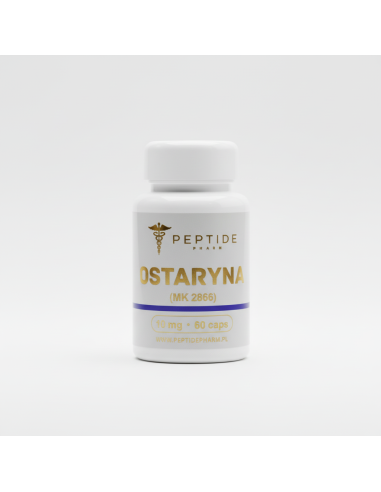
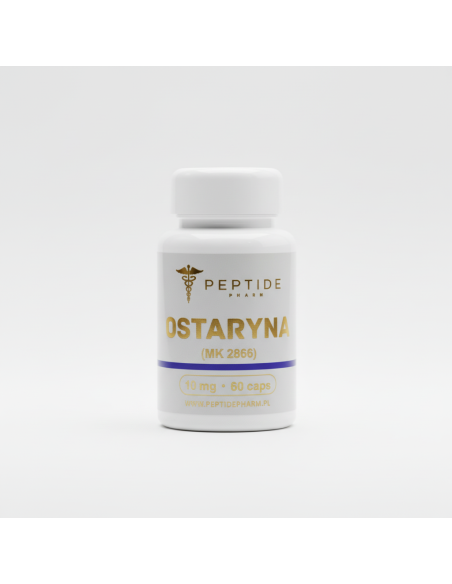
Ostarine (MK-2866) – One of the Most Popular SARMs
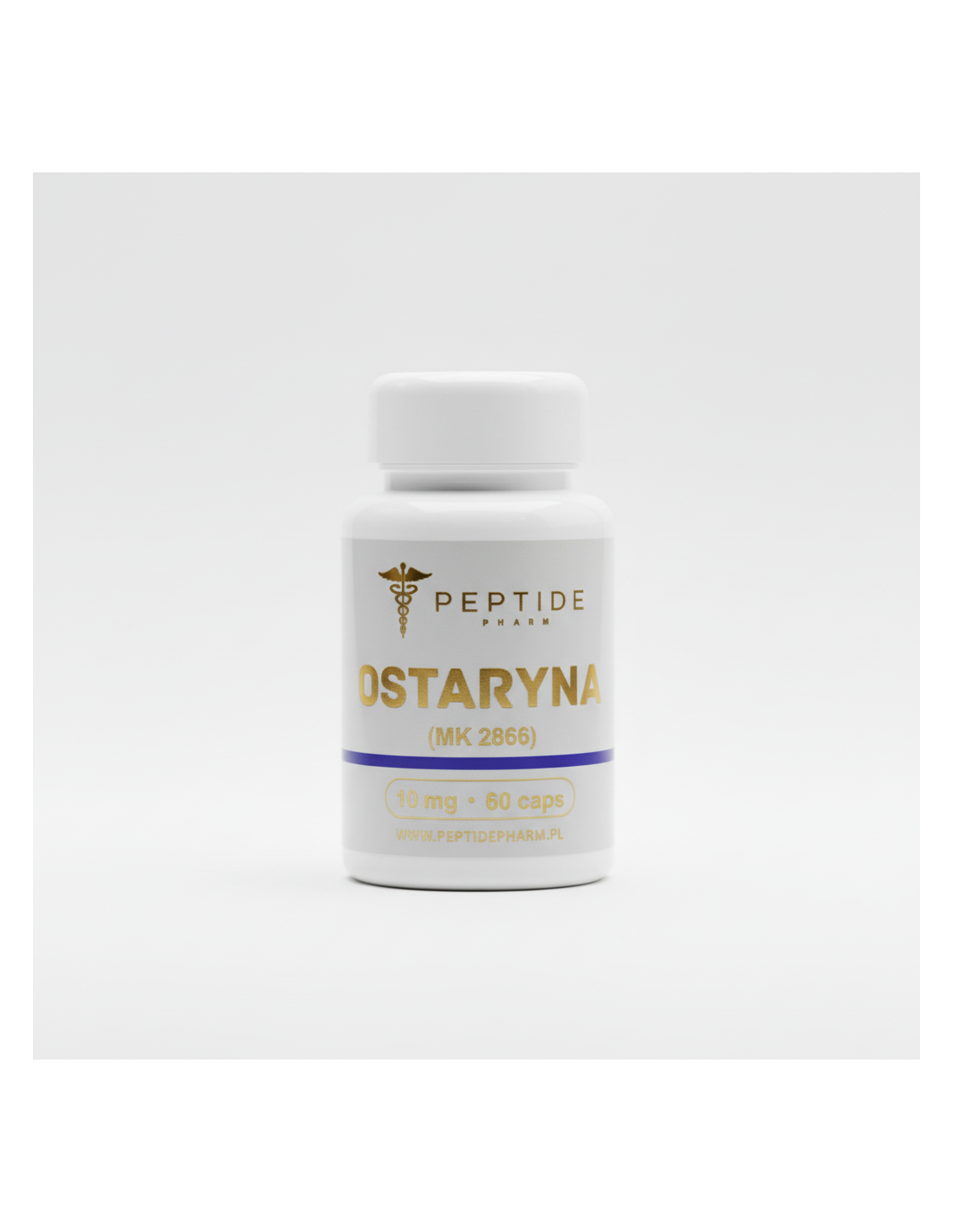
Ostarine, also known as MK-2866 or Enobosarm, is currently one of the most frequently chosen compounds among individuals aiming to improve their physique. Although it is not a steroid, its distinctive anabolic properties make it a potential alternative to traditional performance-enhancing substances. This article serves as a comprehensive guide explaining how the compound works, discussing optimal dosing, and outlining both the potential benefits and risks. Read on to learn how to approach supplementation responsibly and avoid common mistakes when building your physique.
What Is Ostarine and How Does This Selective Modulator Work?
Ostarine (also referred to as Enobosarm or MK-2866) is a chemical compound belonging to the class of Selective Androgen Receptor Modulators (SARMs). It was originally developed by the company GTx Inc. under the code GTx-024 to help patients suffering from muscle wasting and other muscle-related disorders.
Unlike traditional anabolic steroids, Ostarine works by selectively stimulating androgen receptors in specific tissues. It shows a strong affinity primarily for muscle and bone tissue, while largely avoiding other organs.
By binding to androgen receptors only in targeted areas, Ostarine aims to minimize some of the side effects typically associated with anabolic-androgenic steroids, such as impacts on the prostate or skin. Because of this targeted mechanism, MK-2866 has attracted significant interest in scientific research and among the athletic community.
Is Ostarine a Steroid or a Dietary Supplement?
Many beginners in the fitness world wonder whether products purchased online can be considered steroids. To clarify: Ostarine is not a steroid in the traditional sense. Classic anabolic steroids are synthetic derivatives of testosterone that affect the entire body, whereas SARMs are designed to act more selectively.
However, it is important to note that Ostarine is not approved as a dietary supplement or food product. It has also not been approved for recreational human use by the U.S. Food and Drug Administration (FDA).
For professional athletes, another important consideration is that Ostarine is included on the list of prohibited substances by the World Anti-Doping Agency (WADA). Anyone considering this compound should be aware that although it may appear milder than injectable anabolic steroids, it still requires caution and proper knowledge.
Effects of Ostarine on Muscle Growth
One of the main reasons athletes turn to MK-2866 is its potential to support increases in lean muscle mass. The compound promotes processes related to protein synthesis, which can contribute to a denser and more defined muscular appearance.
Interestingly, Ostarine is sometimes reported to help maintain or even build muscle mass during a caloric deficit, a situation in which muscle loss is normally more likely.
Users often report improvements in strength and endurance as well. Another characteristic frequently associated with Ostarine is the relatively low level of water retention compared with some traditional anabolic substances, which means the visual improvements may appear more “dry” and defined.
Why MK-2866 Is Often Used During Fat Loss Phases
Ostarine is frequently used during cutting phases. When the body is in a caloric deficit, it enters a catabolic state that can lead to muscle loss. The anabolic activity associated with MK-2866 may help protect muscle tissue during this period.
One of the main advantages reported by users is the possibility of body recomposition, meaning simultaneous fat reduction and muscle preservation. Some users also claim improvements in metabolic efficiency and insulin sensitivity, which may contribute to a more defined physique during fat-loss phases.
Recommended Dosage for Best Results
Proper dosing is essential for safety and effectiveness. A commonly discussed range for men is 10–30 mg per day. Doses around 30 mg are generally considered high and are typically used by more experienced individuals seeking maximum strength or physique improvements.
Because Ostarine has an approximate 24-hour half-life, many users take the full daily dose once per day at a consistent time.
For women, the commonly discussed dosage range is significantly lower, typically 5–10 mg per day. The appropriate dose should depend on factors such as body weight, experience with training, and individual tolerance.
Exceeding recommended amounts may increase the likelihood of androgenic side effects.
Optimal Cycle Length
Typical Ostarine cycles last 6 to 8 weeks. This duration is often considered long enough to notice measurable changes in body composition while limiting excessive strain on the body.
Some individuals extend cycles to 10–12 weeks, though doing so may increase the risk of suppressing natural hormone production.
After finishing a cycle, taking a break at least as long as the cycle itself is generally recommended. This allows the body time to restore hormonal balance.
Potential Side Effects and Impact on Testosterone
Although Ostarine is often considered milder than anabolic steroids, side effects can still occur. One of the most frequently discussed concerns is suppression of natural testosterone production, especially at higher doses.
Some users may also experience:
temporary fatigue
mild headaches
changes in lipid profile
hormonal imbalances that could indirectly influence estrogen levels
Despite this, Ostarine is often reported to have a relatively low impact on DHT-related effects compared with traditional anabolic steroids.
However, individual responses can vary significantly.
Is Post Cycle Therapy (PCT) Necessary?
Whether Post Cycle Therapy (PCT) is necessary after an Ostarine cycle is debated. Short cycles with low doses (around 10 mg) may result in minimal hormonal suppression, allowing the body to recover naturally.
However, with higher doses (20–30 mg) or longer cycles, some users choose to implement a mild PCT protocol to help restore natural hormone production and maintain training performance.
Planning recovery strategies before beginning a cycle is often considered good practice when dealing with compounds that influence the endocrine system.
Joint and Bone Support – A Unique Benefit
One of the notable properties attributed to MK-2866 is its potential positive effect on bone density and connective tissue. In medical research, the compound has been studied for possible use in treating conditions such as osteoporosis and muscle wasting.
For athletes, this may translate into improved recovery from heavy training and better support for joints and tendons. Some users report reduced discomfort in connective tissues and improved resilience during intense workouts.
Stacking Ostarine With Other Compounds
Some individuals combine Ostarine with other compounds in order to enhance results. For example:
pairing it with Cardarine (GW-501516) is often associated with cutting phases and endurance improvements
combining it with Ligandrol (LGD-4033) is sometimes discussed in the context of muscle-building cycles
The idea behind stacking is to combine substances with different mechanisms of action to create a synergistic effect.